

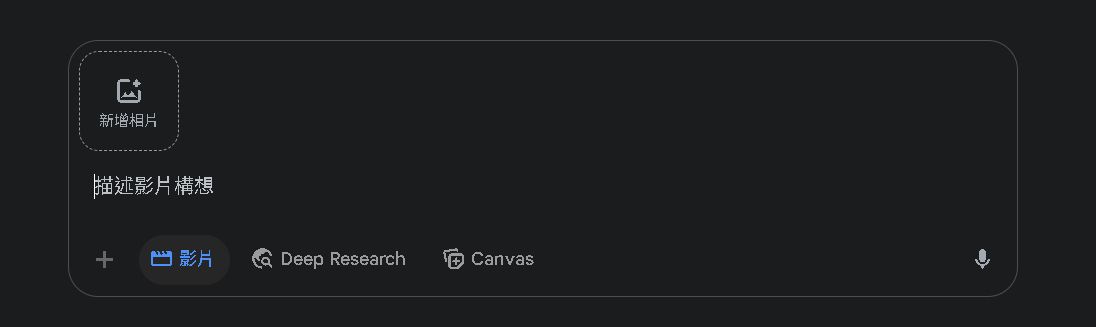
Google has announced a powerful new ‘image-to-video’ feature for its AI video generator, Veo3, and integrated it into the Gemini application. Want to know how to easily convert static photos into dynamic videos? Let’s explore how this innovative technology ensures content security with digital watermarks and is set to lead the next wave of creative trends.
Have you ever wondered if the photos sitting quietly in your phone could one day come to life, transforming into a vivid video? It sounds like something out of a sci-fi movie, but Google is making it a reality. Just this Thursday, Google announced an exciting update for its powerful AI video generator, Veo3: an image-to-video generation feature, directly integrated into the familiar Gemini application.
This isn’t just a minor update; it could signal a whole new revolution in how we create and share content in the future.
Not Just Text! Now, Your Photos Can Tell a Story Too
In the past, when we talked about AI-generated video, it usually involved inputting a long string of text descriptions and waiting for the AI to “draw” the video for us. But now, Veo3 makes things more intuitive and fun.
So, how does it work? The process is actually very simple. Users just need to find the “Video” option in the tool menu within the Gemini app’s prompt box, and then upload a photo they want to bring to life. You could upload a cute picture of your pet, a delicious-looking dish, or a stunning landscape photo.
What’s even cooler is that you can also play the role of “director.” Just describe the sound effects or music you want in the prompt, such as “the sound of waves crashing on the beach” or “upbeat jazz music,” and the AI will add sound to your short clip, making the final product more complete. After the video is generated, you can easily download it to your device or share it directly with friends to show off your latest creation.
Global Rollout and Usage Limits: Who Gets to Try it First?
This new feature isn’t just being tested in specific regions. In fact, it was already showcased in the AI video tool VideoFX at the Google I/O developer conference back in May. As of last week, the video generation service powered by the Veo3 model has been expanded to over 150 countries and regions worldwide.
However, there’s a small catch. Currently, this powerful video generation feature is primarily available to subscribers of the Google AI Ultra and Google AI Pro plans. Furthermore, to ensure fair allocation of computing resources, the creation limit is currently set at 3 videos per day, with no additional creation quotas available for now.
Honestly, this limitation might feel a bit restrictive for some, but from another perspective, it also reflects the precision and value of this technology.
How Strong is the Market Reaction? The Numbers Speak for Themselves
Is AI video generation a real demand? The data provided by Google might give us the answer.
Since its release seven weeks ago, users worldwide have created over 40 million videos using the Gemini app and VideoFX tool. You read that right, forty million! This staggering number clearly shows that there is an extremely strong market desire for simple, easy-to-use AI video tools. People are no longer satisfied with just text and images; they want to express themselves in more dynamic and story-driven ways.
This makes one wonder: does this mean that AI will play an even more important role in the future of content creation?
The Unseen Guardian: SynthID Digital Watermark
Of course, as AI-generated content becomes more widespread, an important question arises: how can we distinguish what content is created by AI? This is about information transparency and credibility.
To address this, Google has taken comprehensive measures. All videos generated using the Veo3 model will carry two types of markers:
- A visible “Veo3” watermark: There will be a clear logo on the video screen.
- An invisible SynthID digital watermark: This is an invisible marker embedded in the digital content, imperceptible to the naked eye but detectable by specialized tools.
SynthID is a key technology developed by Google AI, specifically designed to identify AI-generated digital works, like giving AI creations a unique “digital ID card.” To make this system more robust, Google released a dedicated detection tool earlier this year to help users identify whether content contains SynthID, building a more trustworthy AI content ecosystem.
In conclusion, Google’s latest update is not just about launching a new feature; it’s about showcasing the immense potential of AI in the creative field. From text to images, and now from images to videos, the barrier to creation is constantly being lowered. In the future, perhaps everyone can easily become the director of their own life story.

DMflow.chat
Discover DMflow.chat and unlock the new era of AI-powered customer service.
Learn More
videoweaver.app
Video Weaver: Professional video editing directly in your browser. No downloads required.
Learn More
DMflow.chat
DMflow.chat: Your intelligent AI partner for exceptional customer engagement.
Learn MoreDMflow.chat
Discover DMflow.chat and unlock the new era of AI-powered customer service.
Learn Morevideoweaver.app
Video Weaver: Professional video editing directly in your browser. No downloads required.
Learn MoreDMflow.chat
DMflow.chat: Your intelligent AI partner for exceptional customer engagement.
Learn More