


Computing Power Race and Dev Tool Innovation: Analyzing OpenAI Visual Memory, Anthropic Expansion, and Latest AI Industry Trends
The pace of development in the tech industry never slows down. Every day brings amazing new technologies, accompanied by challenges in resource allocation and information security. Keeping up with this rapid information can be quite demanding. Development tools are becoming smarter, but infrastructure load and privacy concerns are also emerging. Here is a summary of the latest industry trends and the strategic layouts of tech giants.
Alliances of Computing Giants and the Tech Power Struggle
Generative AI requires massive computing resources. This is evident from recent major collaborations in the industry. Recently, Anthropic and Amazon announced an expansion of their massive partnership to deploy up to 5 gigawatts of computing power. To put that into perspective, 5 gigawatts is enough to power a medium-sized city. This collaboration includes significant infrastructure construction and billions of dollars in funding, demonstrating the immense hunger for energy and hardware in modern technology.
Why the urgent need for expanded computing power? The answer is simple. Dependence on Claude models by enterprises and developers has skyrocketed, with record demand putting extreme pressure on existing servers. Expanding facilities has become the only way to maintain service stability.
Competitors are not standing still. Facing Anthropic’s strong rise in code generation, Google is feeling the pressure. Google is currently forming an elite team to close or even surpass the coding capability gap with Anthropic. This struggle, woven from top engineers and endless computing power, will be a focal point for years to come.
Dev Tools: A Double-Edged Sword of Automation and Security Risks
Developer tools are becoming smarter than we imagined. To further reduce tedious manual steps, OpenAI introduced a new feature called Chronicle for Codex. This feature allows the AI assistant to directly “see” the user’s screen. It automatically captures screen content in the background and performs text recognition. When a programmer asks, “Why is this file reporting an error?”, the AI can immediately understand the context.
However, there is a point of concern. Having a background program continuously recording screen content raises significant privacy issues. These memory files are stored locally in plain text, potentially accessible by other applications. This also increases the risk of prompt injection. Currently, this feature is limited to macOS and is not available in the European market due to privacy regulations.
Regarding information security, a significant incident recently occurred. The Lovable platform suffered a major data breach affecting all projects created before November 2025. Researchers found that a free account could easily browse other users’ source code, database credentials, and even conversation logs. More concerningly, employees of many well-known tech companies use the platform.
In response to this storm, the company’s initial PR response seemed evasive. They first denied it was a data breach, later issuing a detailed apology explaining the system permission misconfigurations. In handling such security crises, transparency and sincerity are key to regaining trust.
On another front, massive computing consumption has forced service providers to make difficult decisions. To maintain quality for existing paid users, GitHub Copilot announced a pause on new user registrations for Student, Pro, and Pro+ plans (Free plan remains open) and removed the Claude Opus model from the Pro plan. Server load limits have become a collective challenge for the entire industry.
Open Source Models, Agentic Workflows, and New Editing Experiences
The open-source community remains a vital force for technical progress. The Moonshot AI team recently released the Kimi K2.6 code model. This model demonstrates excellent long-range execution capabilities and supports complex agent swarm functions. Developers can now access this latest model capability via Kimi.com, the Kimi App, official APIs, and Kimi Code.
Innovation is also happening in collaboration platforms. Claude Cowork introduced a powerful feature called Live Artifacts. Users can now easily create real-time updated dashboards and data trackers. These artifacts are organized in dedicated tabs with version control, making team collaboration more intuitive.
For developers who enjoy trying new tools, Google AI Studio has launched a new “vibe coding” experience through subscription plans. Pro or Ultra subscribers receive higher usage limits and direct access to advanced models like Nano Banana Pro. This significantly lowers the barrier from concept to prototyping.
Smart Browsing Experience for Consumers
Beyond professional development tools, the daily experience of general users is also changing. Google Chrome announced a significant expansion of Gemini-related AI features to desktop and iOS users in the Asia-Pacific region. Users can now summon a dedicated assistant in the browser sidebar to summarize long articles, compare tab information, or quickly schedule tasks. This integration makes smart assistance more accessible than ever.
FAQ
Does OpenAI Codex’s Chronicle feature compromise my privacy? Chronicle captures screenshots in the background and converts them into text memories. While the company states that screenshots are deleted immediately after processing and not used for training, memory files are saved locally in Markdown format. If a device is compromised by malware, there is a risk of data leakage. Users concerned about this can pause the feature or delete local files at any time.
What exactly happened with the Lovable security incident? The incident was caused by an error in updating system permissions. Lovable accidentally opened conversation logs and code permissions for projects set to “public.” This allowed outsiders to read sensitive information, including database credentials. The company has since fixed the vulnerability and apologized for their initial communication stance.
Why did GitHub Copilot pause new registrations for specific plans and remove certain models? Due to the surge in user numbers and demand, the underlying computing infrastructure is facing immense pressure. To ensure a stable and predictable service experience for existing paid users, GitHub decided to pause new registrations for Student, Pro, and Pro+ plans (the basic Free plan remains open) and adjusted access to certain models. Existing users’ rights to upgrade or downgrade are unaffected.
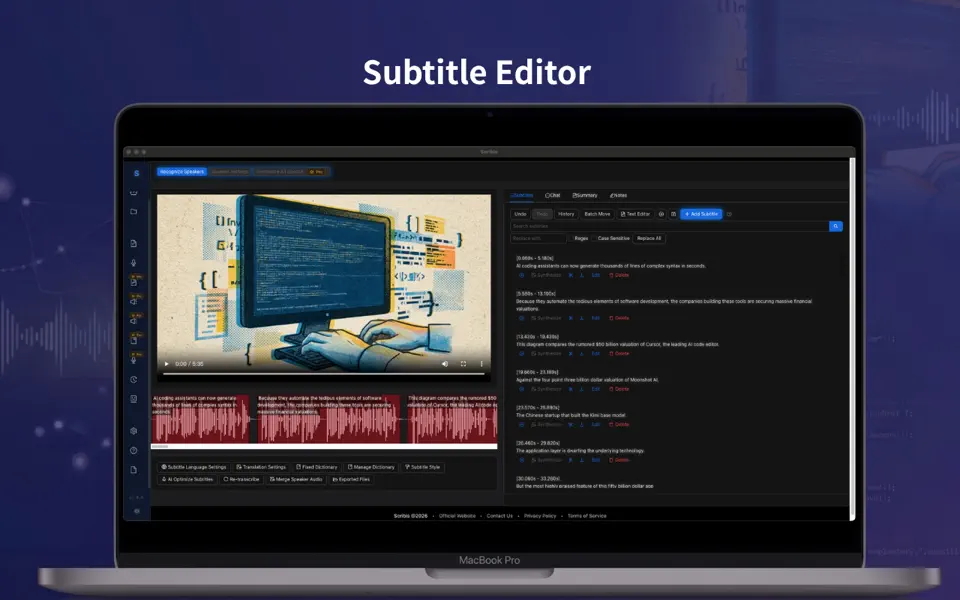
scribis.app
Scribis: Subtitle editing, audio transcription, and live transcription.
Learn More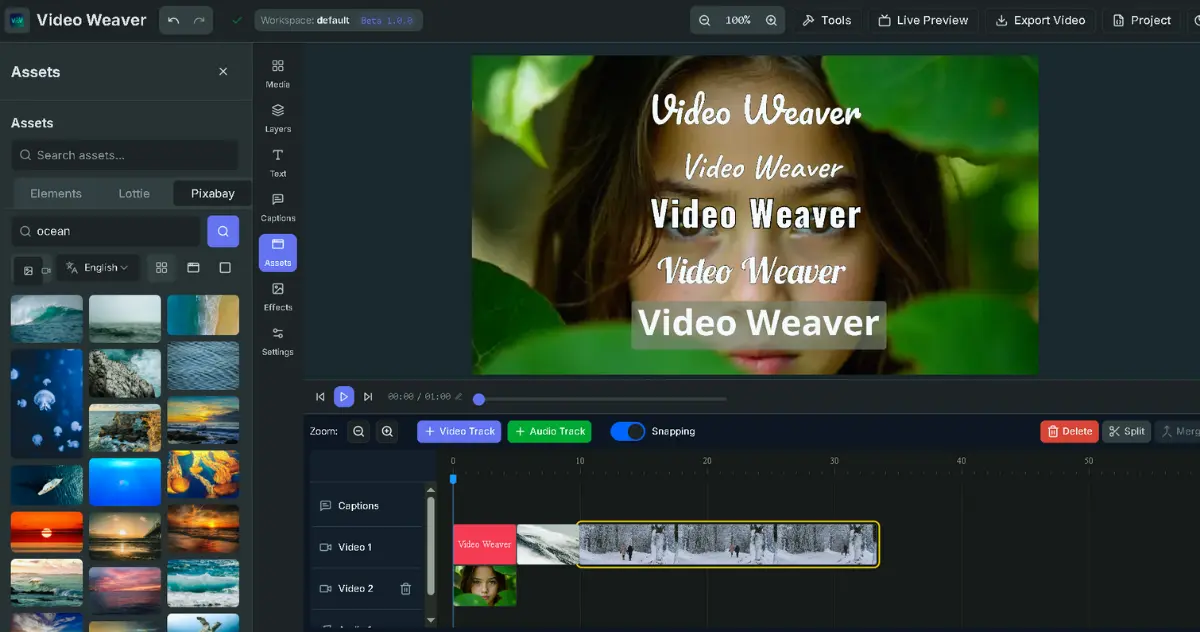
videoweaver.app
Video Weaver: Professional video editing directly in your browser. No downloads required.
Learn Morescribis.app
Scribis: Subtitle editing, audio transcription, and live transcription.
Learn Morevideoweaver.app
Video Weaver: Professional video editing directly in your browser. No downloads required.
Learn More