


AI Spotlight: Google Launches Canvas and Video Tools, OpenAI Releases New Developer Assets
New tech products are emerging every day, and it’s quite a lot to keep up with, isn’t it? Tech giants continue to roll out impressive tools. Today, we bring you several noteworthy updates covering daily search features, professional development environments, and even copyright labeling policies on digital music platforms. Let’s dive into these interesting updates.
Google’s New Creative Toys
Did you know? Google Search is looking a bit different lately. Google recently officially rolled out the Canvas feature integrated within AI mode to all users in the U.S. This provides a dedicated, dynamic space for users to organize various plans and projects over time. This feature now also supports creative writing and coding. Users can draft documents directly within search results or build customized interactive tools.
For example, if you need to organize various requirements and deadlines for academic scholarships, Canvas can help you create a visual dashboard. Just describe what you want to build, and a sidebar will generate a functional prototype, integrating the latest information from the web and Google’s Knowledge Graph. This undoubtedly makes the process of turning inspiration into reality more intuitive.
At the same time, for readers who prefer absorbing information through visuals, Google has exciting news. NotebookLM has launched Cinematic Video Overviews updates. This upgrade combines advanced models like Gemini 3, Nano Banana Pro, and Veo 3 to transform static text data into immersive videos with smooth animations and rich visual effects. Gemini acts as the creative director here, automatically determining the best narrative structure and visual style. This feature is currently available to Google AI Ultra subscribers.
New Workflows for Developers
To be honest, the recent changes in programming environments are very interesting. OpenAI has introduced an open-source project called Symphony. Here’s the deal: Symphony’s main goal is to transform project tasks into independent, autonomous implementation workflows. This tool monitors Linear task boards and dispatches agents to handle these jobs. Once a task is completed, it provides detailed proof of work, including CI status, PR review feedback, and operational walkthrough videos. Engineers no longer need to constantly monitor agents and can instead manage overall project progress at a higher level.
The Microsoft Store also has a new addition. OpenAI has officially released the Codex app for Windows, allowing more developers to experience powerful code assistance directly within their preferred operating system.
There’s also good news for developers using JetBrains IDEs. The popular Cursor has joined the ACP Registry and is now live. This means developers can enjoy the convenient experience brought by Cursor directly within the JetBrains environment, seamlessly connecting their daily development work.
For the developer community using specific resources, Antigravity also announced good news. They are looking for new ways to share more resources with the community. During off-peak hours in Pacific Standard Time, users will find that basic quota durations have been extended. This means more requests can be made within existing plans while reducing service downtime. This is definitely a major boon for those continuously engaged in development work.
Clearly Labeled Music Experience
Tech-driven changes are also extending to the entertainment industry. Apple Music recently announced an important transparency policy. They have formally introduced metadata tags for AI-generated content. In the future, when record labels or distributors provide new content to the platform, it must be clearly labeled if a substantial portion of the content uses artificial intelligence technology.
These transparency labels cover four main areas: album cover design, track recording, songwriting, and music videos. This policy leaves the discretion of defining “what counts as AI content” to the partners. This move reflects the music industry’s gradual adaptation to the various new possibilities brought by generative technology.
videoweaver.app
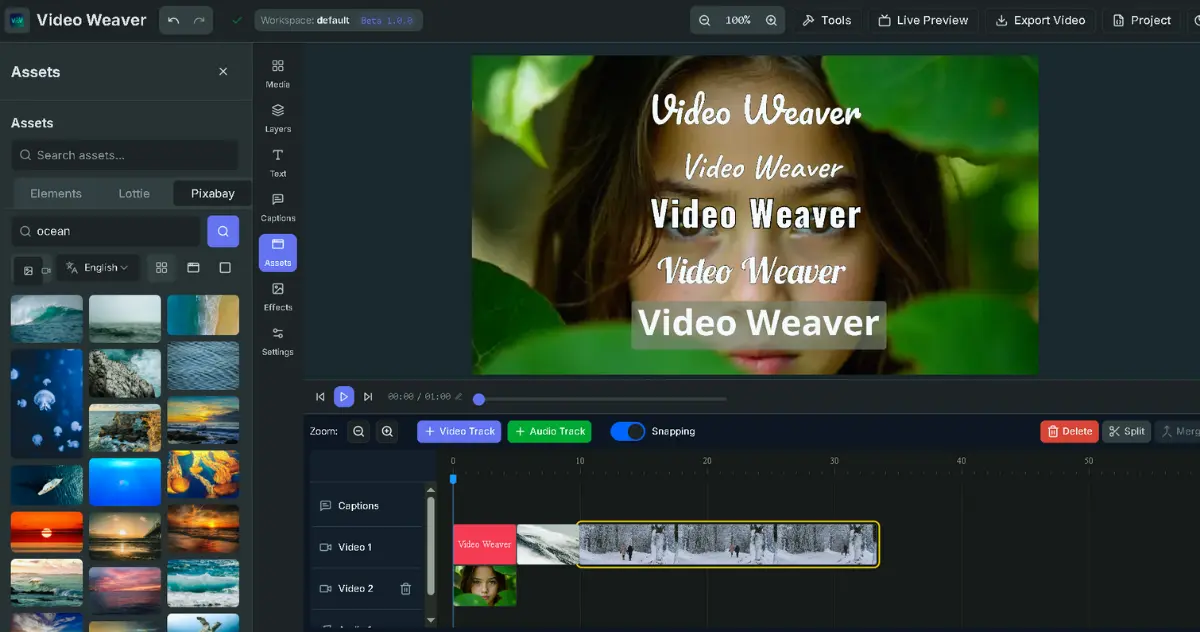
Video Weaver: Professional video editing directly in your browser. No downloads required.
Learn More
DMflow.chat
Discover DMflow.chat and unlock the new era of AI-powered customer service.
Learn More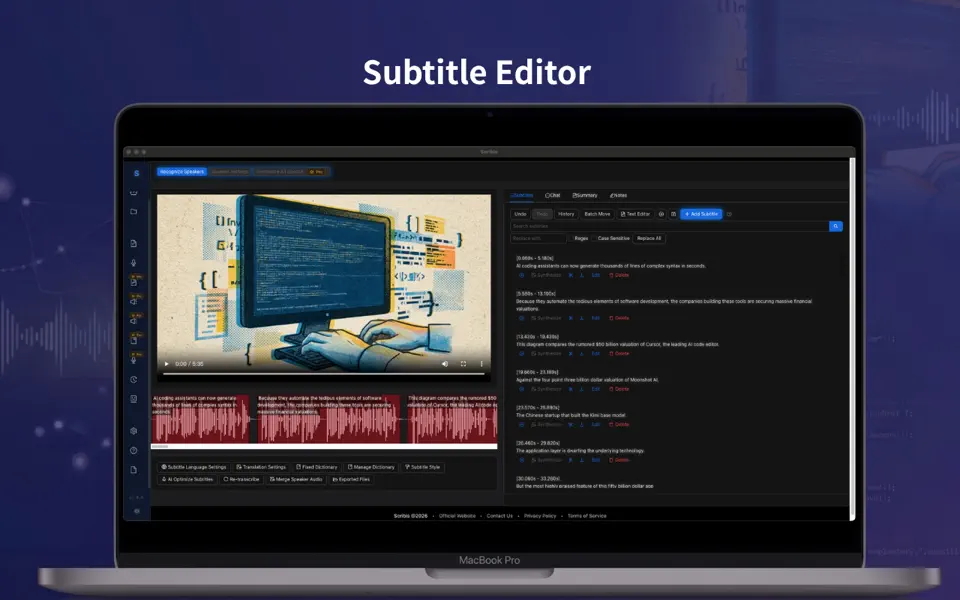
scribis.app
Scribis: Subtitle editing, audio transcription, and live transcription.
Learn More
DMflow.chat
DMflow.chat: Your intelligent AI partner for exceptional customer engagement.
Learn Morevideoweaver.app
Video Weaver: Professional video editing directly in your browser. No downloads required.
Learn MoreDMflow.chat
Discover DMflow.chat and unlock the new era of AI-powered customer service.
Learn Morescribis.app
Scribis: Subtitle editing, audio transcription, and live transcription.
Learn MoreDMflow.chat
DMflow.chat: Your intelligent AI partner for exceptional customer engagement.
Learn More