

Tech Giants’ Rivalry and the New Developer Norm: From Design Revolutions to Cloud Legal Battles
You might be curious about what groundbreaking events have happened in the tech world since you woke up today. From the restructuring of development tools’ underlying logic to multi-billion dollar conflicts of interest between tech giants, the daily news is overwhelming. This isn’t just about software version iterations; it affects the daily habits of countless workers. Let’s dive in.
Google’s Vibe Revolution: A New Way to Design and Code
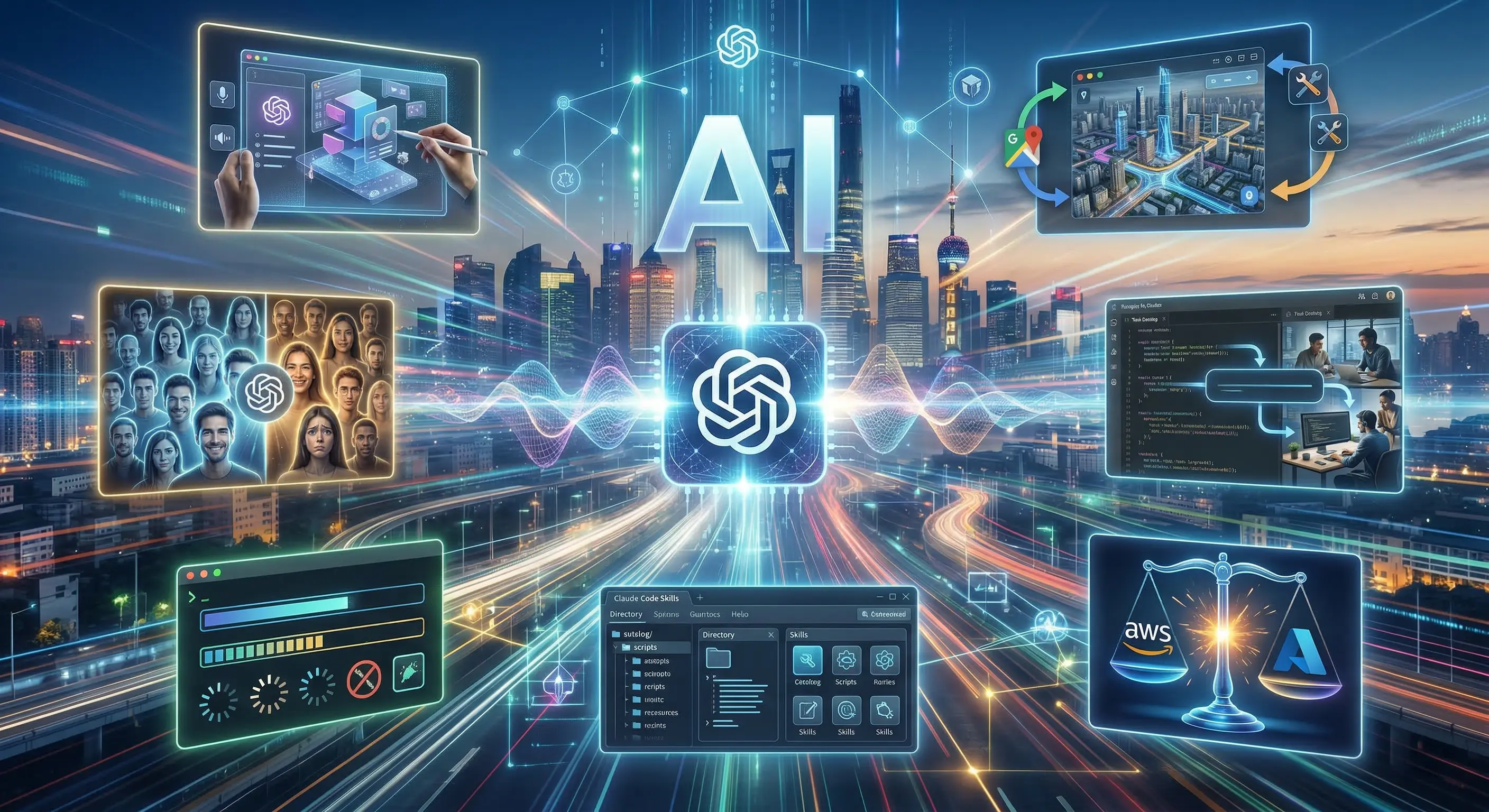
Sometimes the best ideas come from a vague feeling. Google Labs has just upgraded its experimental project Stitch into a new AI-native design canvas. This feature, called “vibe design,” allows anyone to generate high-fidelity user interfaces directly through natural language. It no longer requires users to start from rigid wireframes. By simply describing business goals or desired feelings, or even providing some inspiration references, the system transforms into a capable creative partner. It even supports voice input, allowing developers to easily issue modification commands to the canvas.
The world of code has seen a similar shockwave. Logan Kilpatrick announced on social media that Google AI Studio is about to launch a brand new vibe coding experience. The team spent four months rebuilding it from scratch. This update eliminates the rough edges of the past interface, helping everyone smoothly transform the ideas in their minds into actual projects. This is indeed a huge step forward, but it’s only the beginning. The barrier to entry for development will clearly continue to lower in the future.
Two Sides of the Gemini System: API Feature Explosion and CLI Free Restrictions
Upgrades to development tools often come with a reshuffling of resource allocation. This Gemini 3 API tooling update brings exciting news. Developers can now combine built-in tools with custom functions in a single call. The system has added a cross-tool context loop function. For example, Gemini can first call a weather API to get real-time data and then seamlessly pass the results to a custom tool for booking a venue. Even more surprisingly, the Gemini 3 series fully integrates Google Maps’ geolocation data foundation, making geo-aware responses more precise than ever.
Readers might ask, has the usage rights of general developers been affected? Unfortunately, free resources always have a limit. According to the latest discussions on GitHub, Google has adjusted the Gemini CLI usage strategy. Preventing abuse by unauthorized third-party software has become an official priority. Free users will only be able to use the more basic Flash models in the future. To access the powerful and complete Pro models, they must upgrade to a paid plan. This decision has sparked significant backlash in the community. Many developers who rely on terminal interfaces are quite frustrated by the sudden loss of free Pro-level access. This also highlights the dilemma companies face in balancing operating costs with maintaining an ecosystem.
Listening to the Voices of 80,000: Expectations and Fears of Artificial Intelligence
What exactly do people expect from these powerful tools? And what are they afraid of? Anthropic recently published a massive qualitative research report covering over 80,000 users across 159 countries. To be honest, the results revealed in this report are both full of hope and tinged with concern.
Over 15% of people aspire to achieve professional excellence, hoping to delegate trivial tasks so they can focus on more meaningful strategic thinking. Many also look forward to gaining time freedom or achieving financial independence through technological assistance. But good visions are not enough; specific concerns are equally real. Over 20% of people worry that the system is not reliable enough, fearing they might be misled by incorrect information. Additionally, a large proportion of the population is concerned about the impact on employment and the overall economy. People also fear that over-reliance will lead to the degradation of human cognitive abilities. Technology is, after all, a double-edged sword; convenience and risk always go hand in hand.
Summary of Practical Experience: How to Build Efficient Claude Code Skills
Speaking of making tools closer to practical needs, the Anthropic team shared valuable experience in building Claude Code Skills. People usually think these are just a bunch of Markdown files, but they are actually complete directory structures containing scripts, assets, and data. System agents can proactively discover and utilize these resources.
Regarding the common question of “how to write a good Skill,” here is a key practical suggestion. Developers don’t actually need to include basic common sense; focusing on special cases and team-specific common mistakes is more valuable. Use a progressive disclosure approach by breaking down complex reference documents into different directories, guiding the system to read them only when needed. Setting up dynamic guardrails is also an excellent strategy, such as mandating developer confirmation before executing high-risk commands like deletions. This effectively improves the stability and security of automated workflows.
No Permanent Friends in Business: Microsoft Considers Legal Action
While engineers are busy adapting to new tools, the high-level business drama is equally intense. According to the Financial Times, Microsoft is considering legal action over a $50 billion cloud deal between its partner OpenAI and Amazon.
The core of the matter is that this new contract may violate the exclusive cloud computing agreement between Microsoft and OpenAI. Microsoft executives strongly believe that if OpenAI’s enterprise platform Frontier provides services through Amazon Web Services, it fundamentally contradicts the exclusive cloud cooperation agreement originally signed by both parties. This game between cloud giants is not only about the flow of huge sums of money but also affects the drastic changes in the entire infrastructure sector. Alliances in business are always full of variables, and the subsequent legal battles are definitely worth close market attention.
Q&A
Q1: What is “vibe design” proposed by Google? How will it change the design process? A: “Vibe design” is a new concept introduced by Google Labs for its upgraded AI-native design canvas, Stitch. It breaks the past limitation of having to start from rigid wireframes, allowing anyone to directly describe business goals or desired feelings through natural language or even voice input. The system will then automatically generate high-fidelity user interfaces and provide real-time design feedback.
Q2: What updates have Gemini developer tools recently received? Have the rights of free users shrunk? A: On the API side, Gemini 3 has received a powerful upgrade. Developers can now seamlessly combine built-in tools (such as Google Search and Google Maps) with custom functions in a single call, with support for cross-tool context loops. However, on the terminal interface, Google has adjusted the Gemini CLI usage strategy to prevent abuse by unauthorized third-party software; free users will only be able to use the basic Flash models in the future, and they must upgrade to a paid subscription to access the full Pro models.
Q3: According to Anthropic’s study of 80,000 users, what are people’s greatest expectations and fears regarding AI? A: This massive qualitative research shows that most people (18.8%) expect AI to bring “professional excellence,” helping handle trivial tasks so they can focus on high-value strategic thinking; many also hope to gain time freedom (11.1%) or financial independence (9.7%). In terms of concerns, the most common fear is “system unreliability” (26.7%) leading to being misled by incorrect information, followed by 22.3% of people worrying about the impact of AI on “employment and the overall economy.”
Q4: How to create efficient and practical Claude Code Skills? A: The core tip shared by the Anthropic team is: don’t think of Skills as simple Markdown files; they are actually complete directory structures containing scripts and data. The secret to writing a good Skill is: skip basic common sense and focus on recording special cases and common mistakes (Gotchas); use “progressive disclosure” to break down complex reference documents into different directories; and set up dynamic guardrails, such as mandating developer confirmation before executing high-risk commands like deletions to ensure safety.
Q5: Why is Microsoft considering legal action against its close partner OpenAI? A: The trigger for the dispute is a $50 billion cloud deal between OpenAI and Amazon. Microsoft executives strongly believe that if OpenAI provides its enterprise platform Frontier through Amazon Web Services (AWS), it will fundamentally contradict the exclusive cloud cooperation agreement originally signed between Microsoft and OpenAI.
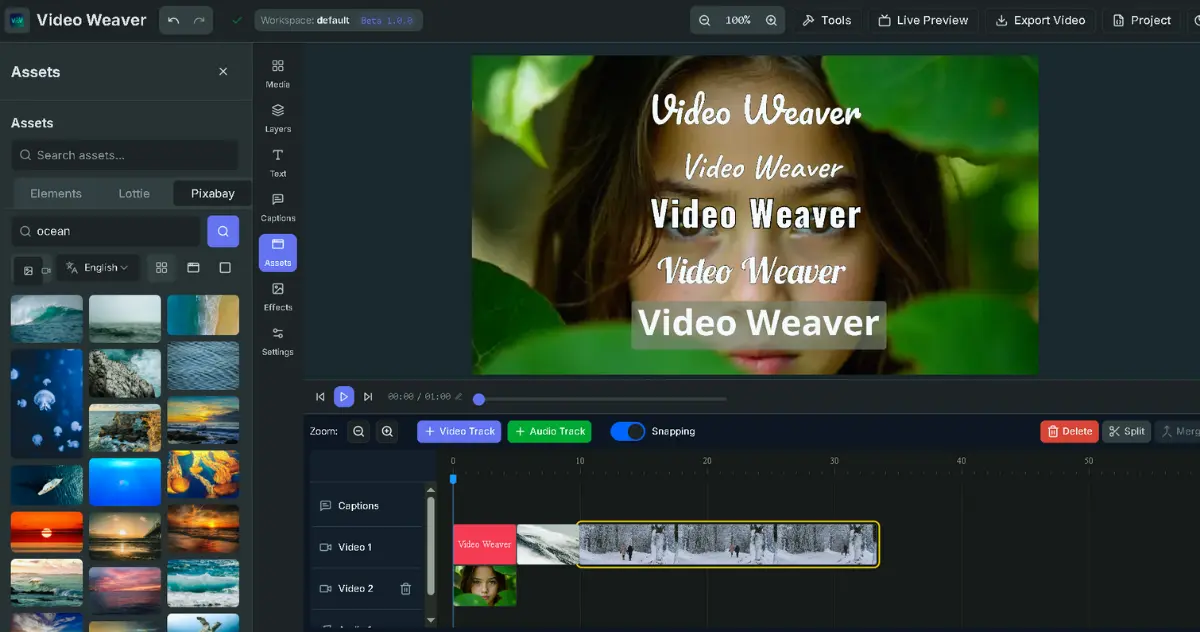
videoweaver.app
Video Weaver: Professional video editing directly in your browser. No downloads required.
Learn More
DMflow.chat
Discover DMflow.chat and unlock the new era of AI-powered customer service.
Learn More
DMflow.chat
DMflow.chat: Your intelligent AI partner for exceptional customer engagement.
Learn Morevideoweaver.app
Video Weaver: Professional video editing directly in your browser. No downloads required.
Learn MoreDMflow.chat
Discover DMflow.chat and unlock the new era of AI-powered customer service.
Learn MoreDMflow.chat
DMflow.chat: Your intelligent AI partner for exceptional customer engagement.
Learn More